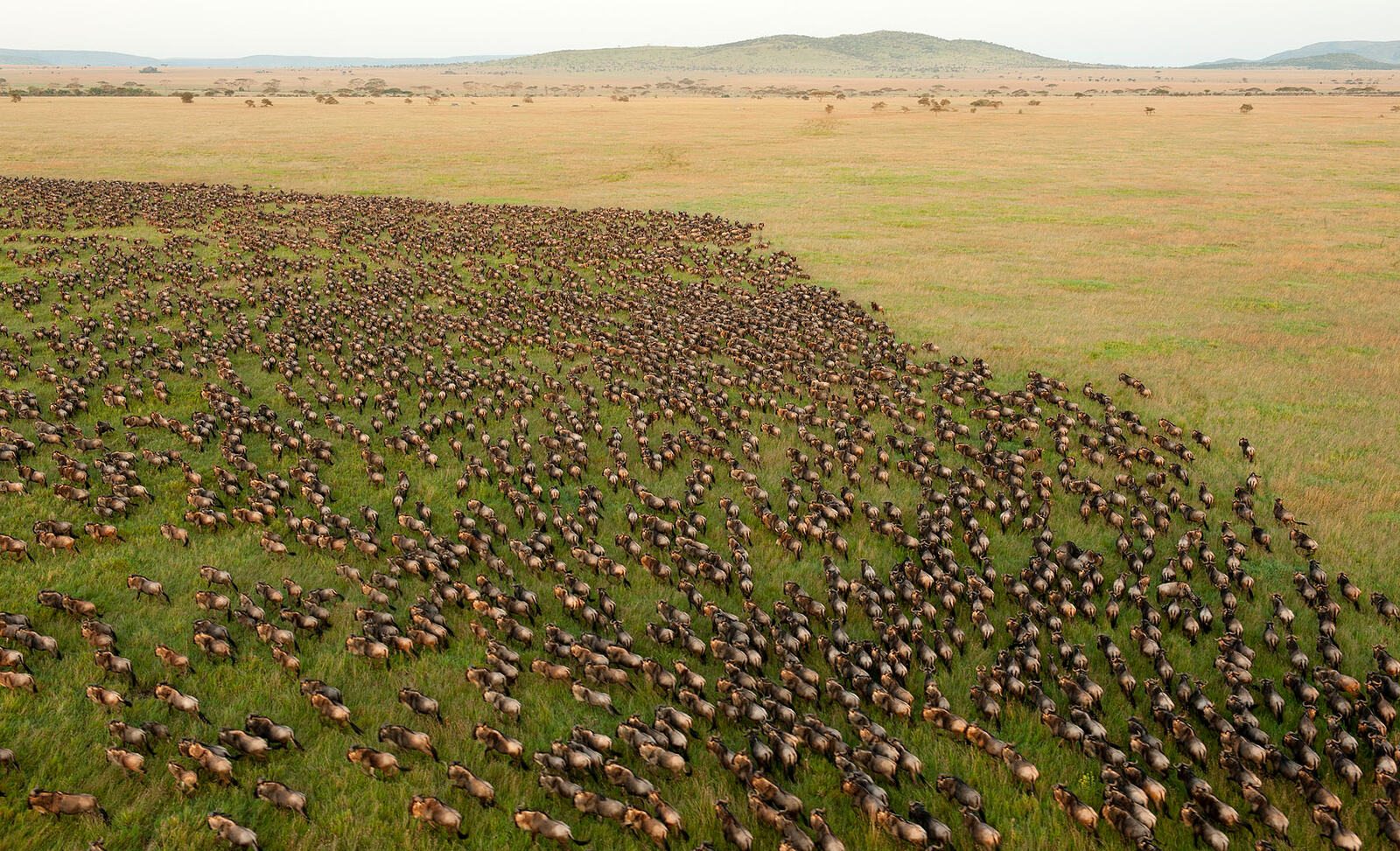
Great Migration Safari
Month-by-month guide to following 1.5 million wildebeest across the Serengeti.
Read more →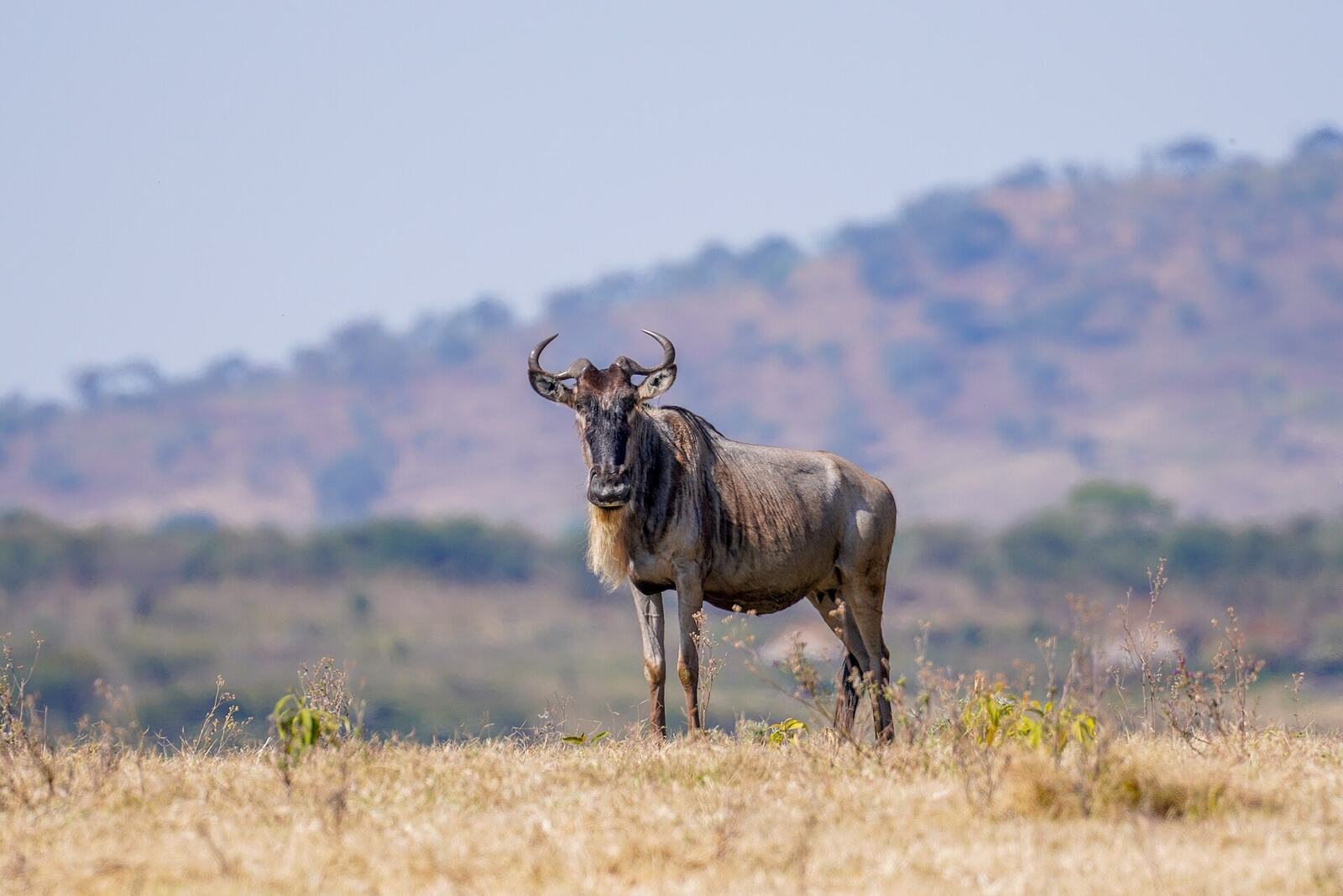
A month-by-month breakdown of safari conditions, migration movements, Kilimanjaro weather and Zanzibar beach days — plus where prices fall.
Seasons
Tanzania sits just south of the equator, so temperature varies less than rainfall. The long dry season runs from June to October, the short dry season from late December to February, the long rains fall in April and May, and short rains arrive in November. Everything about a safari — where the wildebeest are, how green the Serengeti looks, what a lodge charges — follows that calendar.
There is no single best month, only the best month for what you want. Below is how each period actually feels on the ground.
June to October
Cool mornings, dry dusty air, thinning vegetation and animals concentrated around water. This is the easiest time to see wildlife, the window for the Mara river crossings in the northern Serengeti, and the most reliable weather for climbing Kilimanjaro and for Zanzibar beach days.
Late December to February
A short dry window with hot afternoons and green short-grass plains in the southern Serengeti, where around half a million wildebeest calves are born in a few weeks. Predators follow, and the resulting action is arguably the best wildlife viewing of the year. Kilimanjaro is warm and often snowy at the summit; Zanzibar is hot and beautiful.
March to May
April and May bring the heaviest rain. Some camps close, roads soften and grass grows tall enough to hide cats. In exchange, you get dramatic skies, newborn animals, extraordinary birding, near-empty parks and discounts of 30–40% on accommodation. Kilimanjaro is climbable but wet — Rongai and Marangu are the sensible route choices.
November
Afternoon thunderstorms that rarely last long, a green flush across the parks and shoulder-season prices. The migration herds are drifting south through the central and eastern Serengeti. A genuinely underrated month for value.
Month by month
Questions
April and May, during the long rains, when lodges discount by 30–40%. November is the next cheapest, with much better weather odds.
Technically yes, but April, May and November are wet and considerably harder. January to mid-March and June to October are the recommended windows.
On safari expect 25–30 °C by day and 10–15 °C at dawn on the Ngorongoro rim, which sits at 2,300 m. Zanzibar runs 28–33 °C and humid. On Kilimanjaro the summit is routinely below −10 °C.
Enquiry
Send us your dates and we will build an itinerary around everything you have just read.
Email info@rutalegacysafaris.com
WhatsApp / Call +255 670 912 578 (0670 912 578 in Tanzania)
Keep exploring
Month-by-month guide to following 1.5 million wildebeest across the Serengeti.
Read more →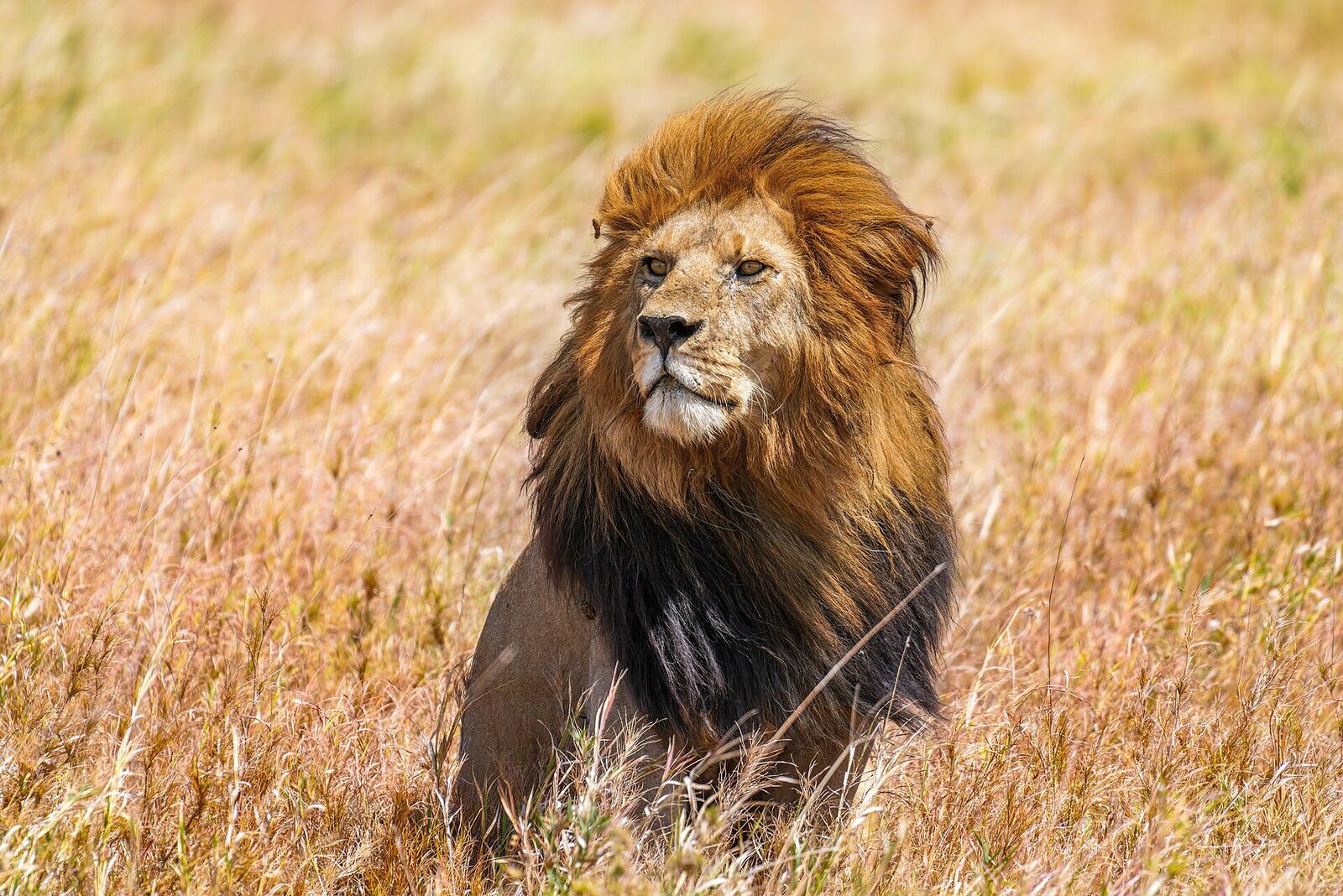
Ready-made 3, 5, 7 and 10 day northern-circuit safaris, private or group-joining.
Read more →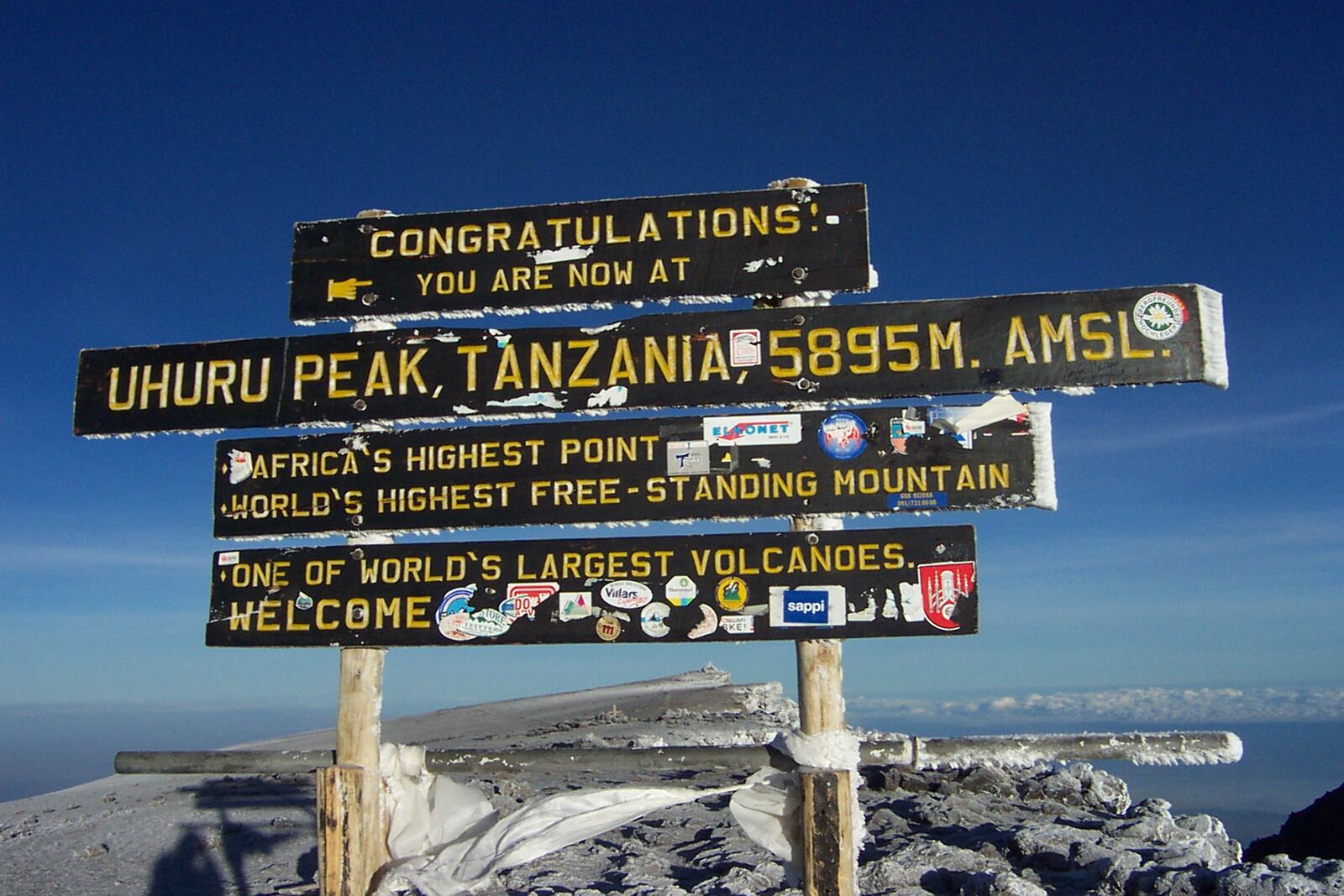
Ready when you are
Send us a message and a Tanzanian guide will answer personally — usually within a few hours, and always within 24. Tell us your dates and your dream trip, and we will design it and quote it just for you.